Quick Answer
Integrated Pest Management (IPM) is a sustainable, science-based approach to pest control that focuses on long-term prevention and uses a combination of techniques. It is considered one of the safest pest control methods for families and pets because it minimizes pesticide use, prioritizing non-chemical solutions first
Integrated Pest Management (IPM) is a sustainable, science-based approach to pest control that focuses on long-term prevention and uses a combination of techniques. It is considered one of the safest pest control methods for families and pets because it minimizes pesticide use, prioritizing non-chemical solutions first. This strategy addresses the root causes of pest problems rather than just treating the symptoms.
What Is Integrated Pest Management (IPM)?
Integrated Pest Management (IPM) is an effective and environmentally sensitive approach to managing pests that relies on a deep understanding of pest life cycles and their interaction with the environment. It is not a single product or action, but a comprehensive strategy that combines multiple control methods to achieve long-term, sustainable results. The goal of IPM is to manage pests in the most economical way and with the least possible hazard to people, property, and the environment.
At KTA, our owner Ruben is IPM-certified, which means he has undergone specialized training in these advanced methods. This certification, governed by organizations like the National Pest Management Association, ensures a deep knowledge of pest biology and modern, low-impact control techniques. It represents a commitment to a higher standard of pest control that prioritizes both effectiveness and safety.
The 4 Steps of an IPM Strategy
An IPM program follows a logical, four-tiered process. This structured approach ensures that all options are considered, moving from the least invasive to the most direct, and that chemical treatments are only used when absolutely necessary.
-
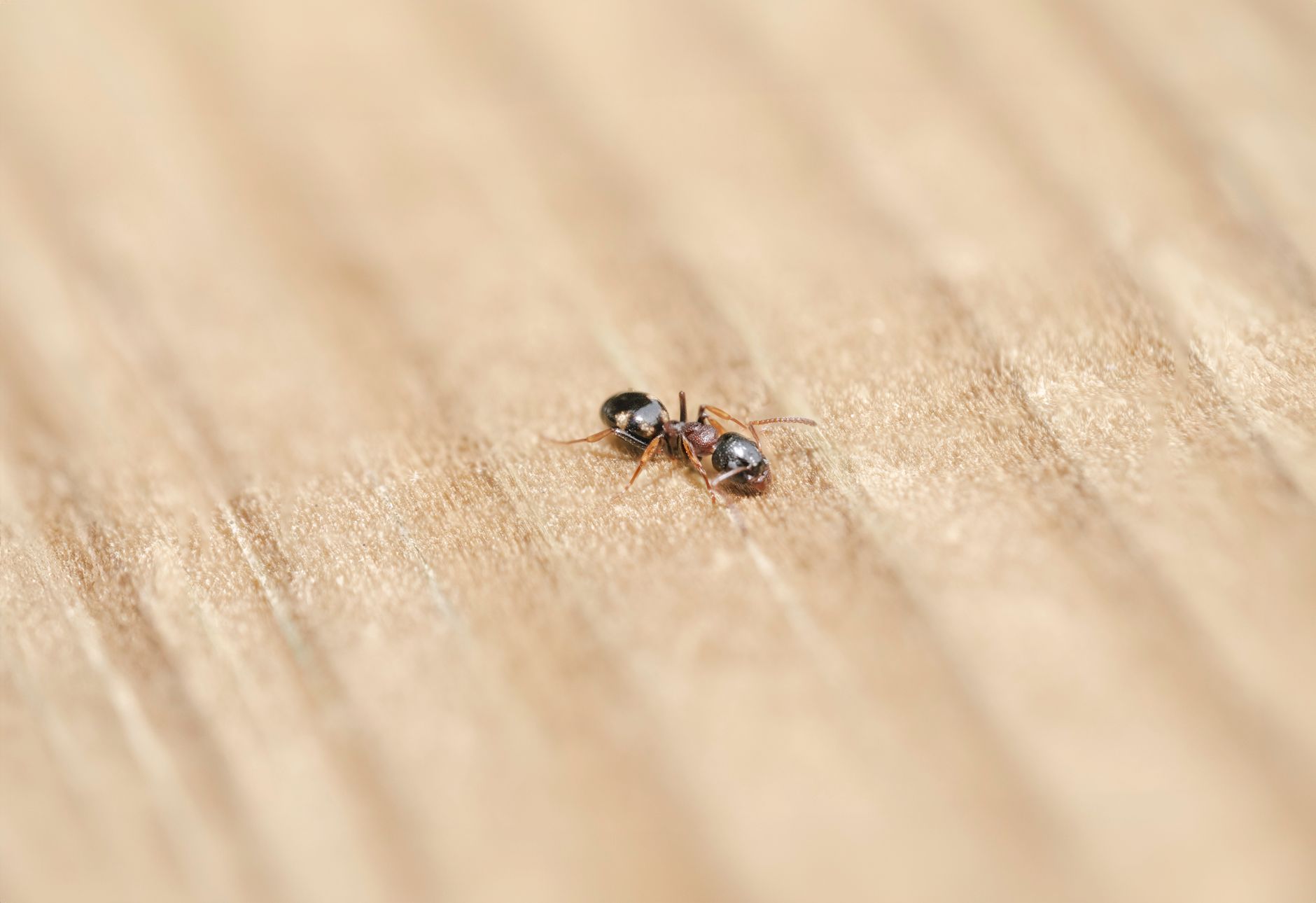
Setting Action Thresholds An action threshold is the point at which pest populations or environmental conditions indicate that a pest control action must be taken. This is a core concept in IPM. The goal isn't to eliminate every single pest from an environment, which is often impossible and unnecessary. Instead, we determine a manageable level where pests are not a threat to your health, home, or quality of life. For example, a single ant on the patio isn't a crisis, but a trail of ants marching into your kitchen has crossed the action threshold and requires intervention.
-
Monitoring and Identifying Pests Correct pest identification is critical for a successful IPM program. Different pests have different behaviors, life cycles, and vulnerabilities, so the strategy used to control ants will not work for termites. This step involves regular and thorough inspections by a professional to look for pests, signs of their presence (like droppings or damage), and the environmental conditions that might be attracting them. At KTA, Ruben personally conducts these inspections, using his expertise to accurately identify the specific pest you're dealing with and assess the extent of the infestation.
-
Prevention Prevention is the first line of defense in any IPM strategy. By removing the things pests need to survive, food, water, and shelter, you can make your home far less attractive to them. This proactive step involves both physical and cultural controls. Some of the most effective preventative measures for homeowners in Madera and Fresno include:
- Sealing Entry Points: Caulking cracks in the foundation, repairing holes in screens, and installing door sweeps to block access for rodents, spiders, and insects. Preventing pests from getting inside is a key part of avoiding a serious spider infestation in your home.
- Eliminating Water Sources: Fixing leaky pipes and faucets, ensuring gutters are clean and draining properly, and removing any standing water from the yard to discourage mosquitoes and cockroaches.
- Managing Food Sources: Storing food in airtight containers, cleaning up spills and crumbs promptly, and using garbage cans with tight-fitting lids.
- Reducing Shelter: Trimming shrubs and tree branches away from the house, storing firewood at least 20 feet from your home, and clearing away yard debris where pests can hide.
-
Control If preventative measures are not enough to keep pests below the action threshold, control methods are implemented. IPM prioritizes non-chemical controls first. These can include mechanical traps for rodents, sticky traps for insects, or biological controls, like introducing beneficial insects that prey on pests in a garden setting.
If these methods are insufficient, chemical controls are considered. However, the IPM approach to pesticides is fundamentally different from conventional methods. We select the most targeted and least-toxic product available. Treatments are applied with precision, such as directly into cracks and crevices where pests hide, rather than through broad, indiscriminate broadcast spraying. This minimizes risk and ensures pesticides do not affect areas where your children or pets play.
Is IPM Safe for My Children and Pets?
Yes, Integrated Pest Management is designed to be the safest possible professional pest control option for your children and pets. Its primary focus is on reducing the use of pesticides and limiting exposure for everyone in your home, including the four-legged members of your family. This commitment to safety is woven into every step of the IPM process.
The safety of IPM comes from its hierarchical approach. By prioritizing prevention, exclusion, and non-chemical solutions, we often solve pest problems without ever needing to use a pesticide. When a chemical treatment is necessary, it is chosen and applied with extreme care. We select products with the lowest toxicity and apply them in a targeted manner, directly to pest harborage areas that are inaccessible to children and pets. This precision minimizes the potential for accidental contact, inhalation, or ingestion.
IPM vs. Conventional Pest Control: What's the Difference?
The core difference between IPM and conventional pest control lies in the overall philosophy. Conventional methods often rely on a reactive approach, using routinely scheduled chemical sprays to kill visible pests. IPM is a proactive, knowledge-based strategy that focuses on understanding why pests are there in the first place and implementing long-term solutions to keep them out.
This table highlights the key distinctions:
| Feature | Integrated Pest Management (IPM) | Conventional Pest Control |
|---|---|---|
| Philosophy | Proactive prevention and long-term solutions | Reactive, focused on immediate eradication |
| Chemical Use | Used as a last resort; targeted application | Primary method; often broadcast spraying |
| Decision Making | Based on monitoring and action thresholds | Based on a predetermined schedule |
| Focus | Eliminating root causes (food, water, shelter) | Eliminating the visible pests |
| Environmental Impact | Minimized to protect non-target species | Can have a broader, unintended impact |
What Does a KTA IPM Service Look Like?
A KTA Integrated Pest Management service begins with a thorough inspection of your property by our owner, Ruben, to identify pests and the conditions supporting them. From there, he develops a customized plan that prioritizes prevention and non-chemical solutions tailored specifically to your home and situation.
During the initial visit, Ruben will walk you through his findings. He will point out sanitation issues, structural vulnerabilities, and landscaping features that may be contributing to your pest problem. He will then clearly explain his recommended action plan, detailing the specific steps he will take and what you can do as a homeowner to support the effort.
This collaborative approach ensures you are fully informed and involved. If any treatments are needed, he will explain exactly what product will be used, why it was chosen, and how it will be applied safely. The service concludes with a plan for follow-up monitoring to ensure the problem is resolved and to make adjustments as needed.
Frequently Asked Questions
Is IPM the same as "organic" or "eco-friendly" pest control?
While they share similar goals, IPM is not strictly the same as "organic" or "eco-friendly" pest control. IPM is a broader strategy that may include the use of organic or natural products, but its primary focus is on the multi-step process, not just the products used. A key part of IPM is using the least toxic option necessary, which often aligns with Madera eco-friendly pest control principles.
Does IPM cost more than traditional pest control?
The initial cost of an IPM program can sometimes be slightly higher than a single conventional spray treatment due to the detailed inspection and planning involved. However, IPM often costs less in the long run. By addressing the root causes of pest infestations, it reduces the need for repeated, costly chemical applications, saving you money over time. For more information, you can review our guide to pest control costs in Madera, CA.
How long does it take for an IPM program to work?
The timeline for results depends on the specific pest, the severity of the infestation, and the environmental conditions. While some targeted control methods can provide immediate relief, the full preventative benefits of an IPM program build over time. It is a long-term strategy designed for sustainable results, not just a quick fix.
Do I have to leave my home during an IPM treatment?
In most cases, you do not need to leave your home during an IPM treatment. Because the approach prioritizes non-chemical methods and uses targeted, low-toxicity products when chemicals are required, vacating the premises is rarely necessary. Ruben will always communicate any specific safety precautions you should take before, during, and after a service.
What pests are commonly managed with IPM in Madera and Fresno?
IPM is an effective strategy for nearly all pests common to the Central Valley. This includes ants, spiders (like black widows and brown recluses), cockroaches, mosquitoes, bed bugs, and rodents like mice and rats. The principles of monitoring, prevention, and targeted control are adapted to the specific biology and behavior of each pest.
Your Partner in Safe Pest Control
Choosing a pest control strategy is about more than just getting rid of bugs; it's about protecting your home and the health of your family. Integrated Pest Management offers a smarter, safer, and more sustainable way to achieve that peace of mind. It is a modern, responsible approach that delivers lasting results without unnecessary chemical exposure.
As a local, veteran-owned business, KTA Pest Management is committed to providing our neighbors in Madera, Fresno, and the surrounding communities with personalized and effective IPM solutions. Owner Ruben performs every service himself, ensuring you receive the highest level of expertise and care.
FAQ